
Japan Joins IEA Effort to Release 80 Million Barrels Amid Surging Oil Prices and Hormuz Disruptions
Japan will begin releasing oil from its national strategic reserves on Thursday, March 26, 2026, as part of a broader international effort led by the International Energy Agency (IEA) to mitigate the impact of escalating disruptions in the Middle East on global energy markets.
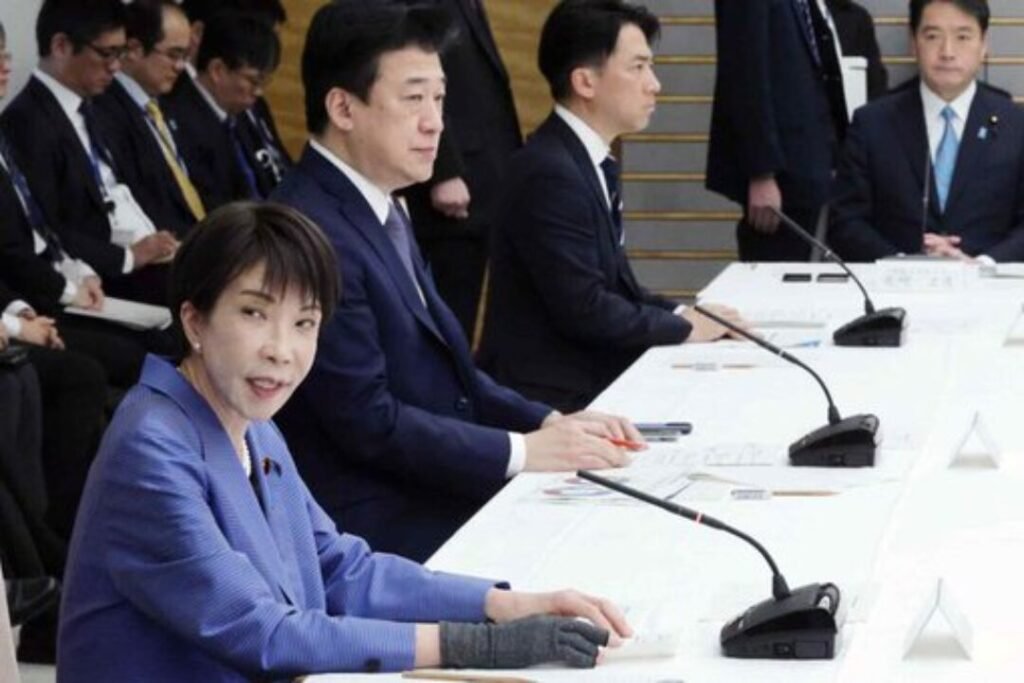
Prime Minister Sanae Takaichi announced the decision on X, stating that the release aims to ensure “the necessary supply of petroleum products for all of Japan.” The release involves approximately 80 million barrels – equivalent to about 45 days’ worth of consumption – and follows last week’s discharge of private-sector stocks amounting to 15 days’ supply.
Japan, which imports nearly 95 per cent of its oil from the Middle East, is particularly vulnerable to any instability affecting the Strait of Hormuz. The ongoing conflict in the region has already caused significant volatility in oil prices and threatened shipping routes, prompting coordinated action by major consuming nations through the IEA.
The IEA, established in 1974 in response to the first global oil crisis, plays a central role in coordinating emergency responses among its member countries during major supply disruptions. Its core mandate includes maintaining strategic stockpiles and facilitating collective action to stabilise markets when supply is threatened. The agency has activated similar coordinated releases in the past, most notably during the 1991 Gulf War, after Hurricane Katrina in 2005, and following Russia’s invasion of Ukraine in 2022. In each case, the IEA has helped prevent panic buying, excessive price spikes, and economic damage by releasing emergency reserves in a synchronised manner.
On March 11, 2026, IEA member countries agreed to a record coordinated release of up to 400 million barrels from emergency stockpiles to counter the current crisis. Japan’s contribution is a key part of this collective response, reflecting both its commitment to global energy security and its own need to protect domestic supply chains.
Japan maintains one of the world’s largest strategic petroleum reserves, currently holding more than 400 million barrels as of December 2025. The decision to tap national reserves underscores the severity of the current situation and the government’s determination to prevent fuel shortages and excessive price spikes that could harm households and industries.
The announcement comes as oil prices remain elevated due to attacks on energy infrastructure and threats to key maritime chokepoints. Japanese officials have emphasised that the release is a precautionary measure to maintain stable supply rather than a response to immediate domestic shortages.
Energy analysts expect the IEA-coordinated release to help ease some upward pressure on global prices in the short term.
However, the long-term effectiveness will depend on how quickly the Middle East conflict de-escalates and whether shipping through the Strait of Hormuz returns to normal levels.
This is not the first time Japan has tapped its reserves during a crisis. Similar actions were taken during the 2011 Fukushima disaster and in response to previous supply disruptions. The current release highlights Japan’s proactive approach to energy security as a resource-poor nation heavily dependent on imported oil, while also demonstrating the IEA’s continued relevance as a coordinating body in times of global energy stress.
The government has urged the public and businesses to continue prudent energy consumption while the situation in the Middle East is monitored closely. Further updates on the scale and timing of the release are expected in the coming days.
