
New Senegal Law Increases Penalties for Same-Sex Acts and LGBTQ Advocacy
Senegal has significantly tightened its laws on same-sex relations, doubling the maximum prison sentence to 10 years and introducing new penalties for anyone accused of promoting or supporting homosexuality.
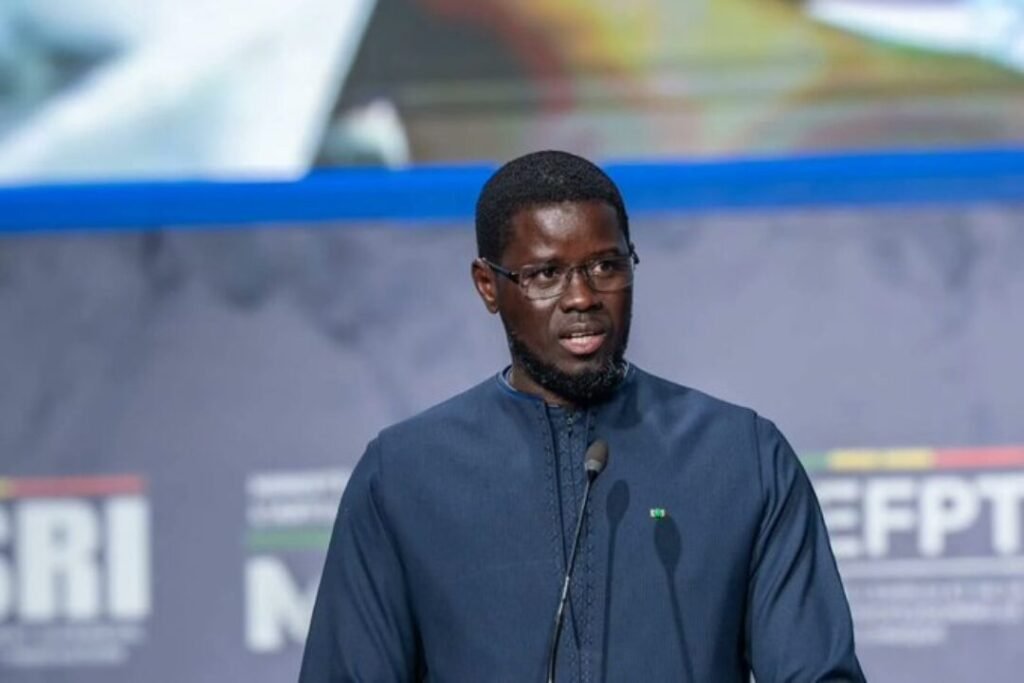
President Bassirou Diomaye Faye signed the legislation on Tuesday, after it was published in the official journal the previous day. The National Assembly had already approved the bill on March 11 by an overwhelming majority of 135 votes in favour, with no votes against and three abstentions.
Under the new law, “acts against nature of a sexual character between two persons of the same sex” now carry prison terms of five to 10 years, up from the previous one to five years. Fines can reach up to 10 million CFA francs (approximately €15,200). The maximum penalty applies if the act involves a minor.
The legislation also criminalises the promotion or support of homosexuality. This includes any public representation, distribution of material, or financial backing. Those found guilty face three to seven years in prison, though a safeguard clause was included: anyone making false accusations of same-sex relations without evidence can be punished with two to three years in prison and fines of between €300 and €750.
The changes come amid a broader crackdown. Since February 2026, more than 30 people have been arrested on charges linked to same-sex relations or the “voluntary transmission of HIV,” including several public figures. Arrests of women accused of “lesbianism” have also been reported in recent days.
The law reflects strong domestic political and religious support as same-sex relations remain deeply unpopular in the overwhelmingly Muslim country, where religious leaders and conservative groups have long campaigned for stricter measures. Prime Minister Ousmane Sonko had previously pledged tougher action during his election campaign.
International reaction has been sharply negative. UN High Commissioner for Human Rights Volker Türk described the law as a violation of fundamental human rights and had urged the president not to sign it. Human rights organisations and UNAIDS have warned that the legislation could drive people away from HIV testing and treatment services, worsening public health outcomes.
The legislation deepens the divide between Senegal’s domestic policy and international human rights standards. While the government frames the law as protecting traditional values, critics argue it risks increasing stigma, discrimination, and health risks for vulnerable communities.
This is the latest in a series of African countries tightening laws on homosexuality in recent years, including Burkina Faso’s recent far-reaching reforms.
