























































































































































































































































































































































































![Hon. Festus Keyamo SAN arrives MMIA past 11:50 p.m. Feb 23 to lead oversight of Terminal 1 fire. Joined FAAN MD & team actively managing situation. Directed morning inspection Tuesday to guide restoration & confirm safety standards. Reaffirmed focus on passenger safety. Story: [link] #KeyamoMMIA #FireIncident #FAAN](https://fullcliphq.com/wp-content/uploads/2026/02/mym-150x150.jpg "MMIA Fire: Keyamo Inspects Lagos Airport After Terminal 1 Blaze Disrupts Flights")








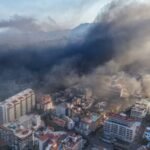



















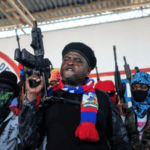















































































































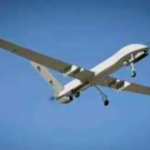



























































































































































































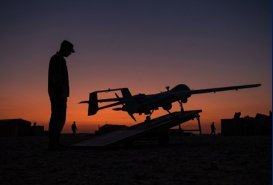
Armed members of a gang operating in a controlled district of Port-au-Prince appear to have shot down a surveillance drone belonging to the Haitian National Police (PNH), according to video evidence analyzed by independent weapons researcher War Noir.
The footage, shared on X by @war_noir on February 18, 2026, shows several individuals in what is described as a gang-dominated area firing multiple rifles skyward at a small unmanned aerial vehicle (UAV). The drone is visible descending in an uncontrolled spiral before crashing to the ground. Gang members then approach and inspect the wreckage.
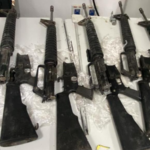
War Noir, a respected open-source analyst and informed observer, identified the weapons in the clip as including AKM/AK-47 pattern rifles – widely available on Haiti’s black market – and what appears to be a Colt M16A1 (Model 603), a Vietnam-era U.S. assault rifle. The presence of such surplus small arms illustrates the gangs’ access to diverse weaponry despite international embargoes and ongoing security operations.
No official confirmation or denial has been issued by the PNH or the transitional government yet.
Shift in the Drone-Dominated Conflict
The incident marks a notable reversal in Haiti’s anti-gang campaign, which has leaned heavily on aerial assets since early 2025. Authorities – supported by a prime minister-led task force, private military contractors (including personnel linked to Vectus Global, associated with Erik Prince), and international partners – have increasingly used weaponized “kamikaze” drones and surveillance UAVs to strike gang strongholds.
The strategy has yielded mixed outcomes:
-
Casualties: Official reports indicate hundreds of suspected gang members killed in drone strikes since March 2025.
-
Civilian Impact: The campaign has faced sharp criticism for repeated civilian casualties, including a September 2025 incident in Cité Soleil where explosive drones killed eight children and three adults.
-
Mishaps: Police and contractor accidents have also occurred, such as an August 2025 detonation at a SWAT base in Kenscoff that killed two officers.
Wider Security Crisis
The downing of a surveillance drone highlights a tactical evolution: gangs are actively contesting the airspace authorities use to monitor movements and coordinate ground operations.
Haiti’s security situation remains extremely grave. Gangs control approximately 90% of the capital and have expanded into Artibonite and other departments. The transitional presidential council’s mandate expires in February 2026, raising fears of further instability.
The Gang Suppression Force (GSF), a UN-backed multinational effort including Kenyan police and other partners, continues operations but faces significant logistical and funding challenges.
Neither the PNH nor the prime minister’s office had responded to requests for comment at the time of writing. While drones provide state forces with a temporary advantage, this incident serves as a reminder that entrenched, adaptive criminal networks remain a formidable force in one of the Western Hemisphere’s most violent urban conflicts.