

































































































































































































































































































































































































![Hon. Festus Keyamo SAN arrives MMIA past 11:50 p.m. Feb 23 to lead oversight of Terminal 1 fire. Joined FAAN MD & team actively managing situation. Directed morning inspection Tuesday to guide restoration & confirm safety standards. Reaffirmed focus on passenger safety. Story: [link] #KeyamoMMIA #FireIncident #FAAN](https://fullcliphq.com/wp-content/uploads/2026/02/mym-150x150.jpg "MMIA Fire: Keyamo Inspects Lagos Airport After Terminal 1 Blaze Disrupts Flights")





















































































































































































































































































































































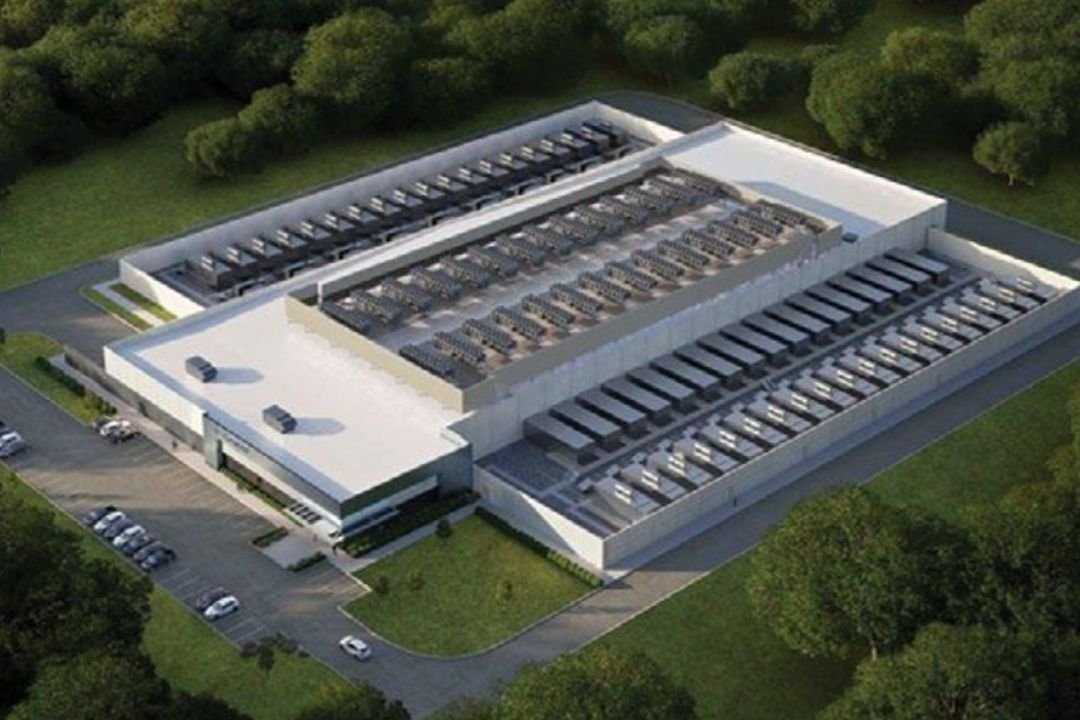
Vast data centers powering the rapid growth of artificial intelligence are generating significant localized warming, creating what researchers describe as “data heat islands” that raise surrounding land surface temperatures by an average of 3.6 degrees Fahrenheit – and in extreme cases by as much as 16.4 degrees Fahrenheit.
A new study led by Andrea Marinoni, associate professor in the Earth Observation group at the University of Cambridge, analyzed two decades of satellite-derived land surface temperature data and cross-referenced it with the locations of more than 6,000 AI hyperscale data centers built largely in the past decade. The findings, posted on arXiv in March 2026 and not yet peer-reviewed, highlight an under-examined environmental consequence of the AI boom beyond the well-documented surge in electricity consumption.
The researchers focused on facilities located away from densely populated urban zones to minimize interference from other heat sources such as manufacturing, traffic or residential heating. They also accounted for seasonal variations, broader global warming trends and other external factors.
The analysis revealed a clear step increase in surface temperatures coinciding with the start of operations at these data centers.On average, land surface temperatures rose by about 2 degrees Celsius (3.6°F) after a facility became operational. In the most pronounced cases, the increase reached 9.1°C (16.4°F).
These effects extended beyond the immediate vicinity of the sites, with measurable warming detected as far as 10 kilometers (6.2 miles) away. Using population data, the study estimates that more than 340 million people worldwide live in areas now experiencing this added heat.
Examples cited include Mexico’s Bajío region, which has emerged as a data center hub and recorded unexplained temperature rises of around 3.6°F over the past 20 years. A similar pattern appeared in Aragon, Spain – a key European location for hyperscale AI infrastructure – where temperatures increased by a comparable margin not seen in neighboring provinces.
The heat stems from the enormous energy demands of computation and the intensive cooling systems required to prevent servers from overheating. Hyperscale facilities can span more than a million square feet and house thousands of servers running continuously. As AI adoption accelerates, the number and scale of these centers are projected to grow dramatically in the coming years.
Marinoni and his colleagues argue that this “data heat island effect” could compound existing climate pressures. With global temperatures already rising and heat waves becoming more frequent and intense due to planet-warming emissions, additional localized warming raises concerns about impacts on human health, agriculture, ecosystems and regional economies.
“The planned scale-up of data centers could have dramatic impacts on society in terms of the environment, people’s welfare and the economy,” Marinoni said. He emphasized that gaps remain in understanding the full scope of data center effects, even as construction booms worldwide.
The study’s findings have drawn mixed reactions from other experts. Deborah Andrews, emeritus professor of design for sustainability at London South Bank University, who was not involved in the research, described the rush to build AI infrastructure as potentially overriding more systemic sustainable thinking. “The ‘rush for AI-gold’ appears to be developing far more rapidly than any broader, more sustainable systems,” she noted.
Others called for caution. Ralph Hintemann, a senior researcher at the Borderstep Institute for Innovation and Sustainability, acknowledged the “interesting figures” but suggested the reported temperature effects appear very high. He added that, from a climate perspective, the carbon emissions tied to the electricity generation powering data centers remain the more pressing concern overall.
The research arrives as governments, technology companies and environmental groups grapple with the broader sustainability challenges of AI. Data centers already account for a growing share of global electricity use, with projections indicating further sharp increases. While many operators invest in renewable energy and advanced cooling technologies — such as liquid cooling or waste heat recovery — the study underscores that waste heat dissipation itself can create measurable microclimate changes.
Marinoni hopes the work will encourage wider discussion about mitigating AI’s environmental footprint without stifling technological progress. “There still might be time to consider the possibility of a different path … without affecting the demand for AI and its ability to provide progress for mankind,” he said.
Questions remain about long-term implications. Warmer local conditions could exacerbate urban heat stress in nearby communities, affect water resources used for cooling, or influence local biodiversity. The effect’s consistency across continents suggests it is not limited to specific climates or geographies.
As the AI industry expands, operators and policymakers face pressure to address both energy consumption and direct thermal impacts. Some facilities already explore innovative designs, including locating centers in cooler climates or integrating them with district heating systems to repurpose waste heat. Yet the study indicates that current approaches may not fully offset localized warming.
The findings add a new dimension to debates over the environmental cost of digital transformation. While AI promises advances in fields from healthcare to climate modeling, its physical infrastructure carries tangible consequences that extend miles beyond server rooms.
Further peer-reviewed research will be needed to validate and refine these results. In the meantime, the study serves as a call for greater transparency and proactive planning as societies weigh the benefits of AI against its growing environmental toll.
With hundreds of millions potentially affected and expansion plans accelerating, the conversation around sustainable AI infrastructure appears set to intensify in the months and years ahead.