
Saudi Arabia Vows Military Response Readiness after Iranian Missiles Target Riyadh
Saudi Arabia has put the world on notice that it is prepared to respond militarily if Iranian aggression continues, after ballistic missiles targeted Riyadh yesterday in what the kingdom described as a severe and unacceptable breach of its sovereignty.
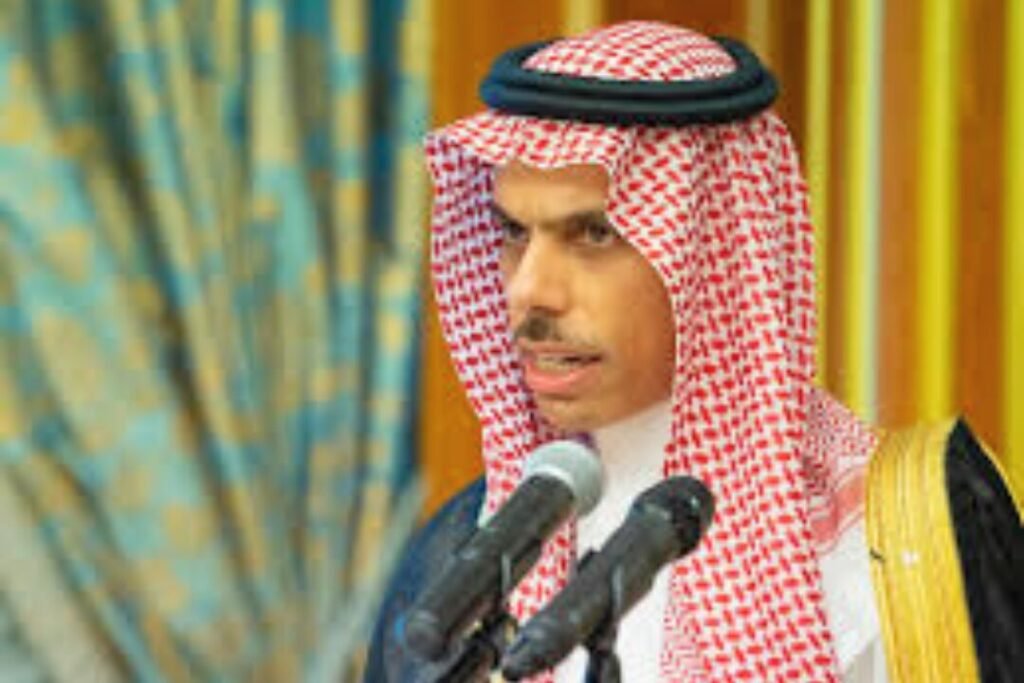
Foreign Minister Prince Faisal bin Farhan Al Saud, speaking after an emergency consultative meeting of Arab and Islamic foreign ministers in the capital, declared that Iran’s actions had “completely shattered” any remaining trust between Riyadh and Tehran. He condemned the missile barrage as hypocritical – especially given Iran’s claims of defending Islamic causes – and made clear that Saudi Arabia reserves the right to take military action if necessary to protect itself and its interests.
“This pressure from Iran will backfire politically and morally,” Prince Faisal stated. “We reserve the right to take military actions if deemed necessary.” He stressed that while the kingdom prefers diplomacy and de-escalation, continued attacks would make rebuilding trust “almost impossible.”
The attack came as top diplomats from more than a dozen Arab and Islamic nations – including Turkey, the UAE, Jordan, Qatar, and Syria – gathered in Riyadh to discuss regional stability. Saudi air defense systems intercepted four ballistic missiles aimed at the city, with debris from at least one falling near a southern refinery and reportedly causing minor injuries in residential areas from shrapnel. Explosions and sirens were heard across parts of the capital, triggering emergency phone alerts for residents warning of a “hostile threat” – a rare measure in Riyadh.
No widespread casualties or major infrastructure damage were immediately confirmed from this specific barrage, but the incident has sent shockwaves through the kingdom and the wider Gulf region. It is part of Iran’s retaliatory campaign following an Israeli strike on facilities in Iran’s massive South Pars gas field the previous day – a major escalation in the broader U.S.-Israeli war against Iran that began in late February 2026.
Iran has vowed to target oil and gas infrastructure throughout the Gulf, with recent strikes hitting sites in Saudi Arabia, Qatar, the UAE, and other states. Saudi Arabia has faced hundreds of Iranian missiles and drones since the conflict’s onset, with authorities claiming the vast majority were intercepted by advanced air defense systems. This latest attack on Riyadh, however, marks a symbolic and potentially strategic shift, bringing the war closer to the political heart of a key U.S. ally and OPEC heavyweight.
The kingdom has so far avoided direct offensive retaliation, likely due to reliance on U.S. support and a desire to contain the conflict. However, Prince Faisal’s unusually sharp language – coupled with warnings from other Gulf capitals – signals eroding patience.
Informed observers say further direct hits on Saudi territory could force Riyadh into a more active role, risking a wider war involving multiple states.
The strikes have already sent shockwaves through global energy markets, with oil prices surging on fears of prolonged disruption to Gulf supplies. Regional allies have expressed solidarity with Riyadh, issuing joint statements condemning the attacks as “heinous” and calling for Iran to halt immediately.
As sirens fade in Riyadh and debris is cleared, Saudi Arabia’s message is unmistakable: restraint has limits, and Iran’s pressure tactics are pushing those limits to the breaking point. Whether diplomacy can still prevail or military options become inevitable remains to be seen.
