
Houthis Launch First Attacks on Israel as Middle East Conflict Expands with Iranian Proxies
The US-Israel military campaign against Iran has entered its second month with the conflict expanding on multiple fronts, as Yemen’s Iranian-backed Houthis conducted their first direct attacks on Israel since the war began, while Tehran continued to project resilience through economic messaging and deepening ties with Russia.
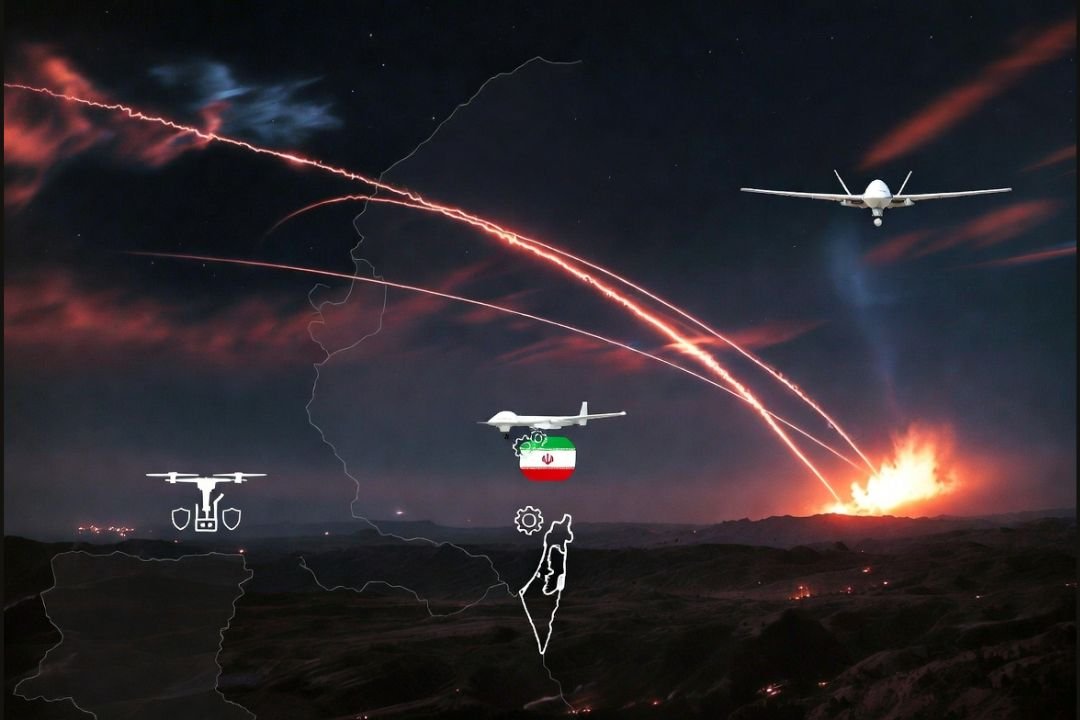
This weekend, the Houthis have fired a ballistic missile followed by a combined drone and cruise missile barrage targeting southern Israel, particularly areas around Eilat. Israeli air defences, including the Iron Dome and other layered systems, intercepted all incoming projectiles, with no injuries or damage reported by the Israel Defense Forces (IDF).
Houthi military spokesman Yahya Saree claimed the attacks struck “sensitive Israeli military sites” and “vital military targets,” vowing continued operations until the United States and Israel cease actions against Iran and the “Axis of Resistance.”
This marks the Houthis’ entry into the current conflict – the first strikes from Yemen since hostilities erupted in late February 2026. Notably, the group has so far refrained from resuming attacks on international shipping in the Red Sea and Bab al-Mandab Strait, a tactic that previously caused major disruptions to global trade. Informed observers view this restraint as a calibrated move: showing solidarity with Tehran without immediately provoking a broader US or Israeli response that could target Houthi-held areas in Yemen or further endanger critical maritime routes.
The development raises concerns about potential renewed threats to Red Sea shipping, which could compound existing disruptions linked to Iranian actions near the Strait of Hormuz. Energy markets and global supply chains remain vigilant, though no immediate attacks on vessels have been reported.
Meanwhile, a Telegram channel linked to Iranian Supreme Leader Mojtaba Khamenei released an infographic promoting the regime’s “resistance economy” – emphasising self-reliance, national unity, and security despite sanctions and ongoing conflict. The timing stands in contrast to Iran’s severe economic pressures, worsened by US-Israeli strikes on defence infrastructure and wartime restrictions.
Mojtaba Khamenei, 56, assumed the Supreme Leader role in early March 2026 following the death of his father, Ayatollah Ali Khamenei, during initial strikes. Reports indicate he sustained leg injuries (possibly including a fracture), facial lacerations, and other wounds in the February 28 bombardment that also killed several family members. US officials, including Defence Secretary Pete Hegseth, have described him as “wounded and likely disfigured,” with limited public appearances raising questions about his capacity to govern effectively.
The infographic may represent an attempt to project stability and active leadership amid these challenges and growing IRGC influence.
Meanwhile, US and Israeli strikes have continued targeting Iranian defence sites, including the Marine Industries Organization, the Parchin Military Complex near Tehran, and the SADRA facility in Bushehr Province. A US strike also hit a border guard outpost in Iran’s Kurdistan Province.
In addition, Russia is reportedly providing upgraded drone support to Iran after very active discussions between both countries regarding the transfer of upgraded Russian drones to Tehran. These are reportedly battle-tested Geran-2 variants – Russian modifications of the Iranian-designed Shahed-136 “kamikaze” drone, refined through extensive use in Ukraine. The transfers follow a 2022 $1.7 billion deal involving Shahed technology, with production lines in Russia (notably at the Alabuga plant) potentially now reversing some know-how back to Iran.
