
AU Formally Labels Colonialism and Slavery as “Methodical Genocide”
Heads of state and government from the African Union have unanimously approved a resolution that formally classifies the transatlantic slave trade, colonialism, and forced deportation as acts of genocide and crimes against the peoples of Africa.
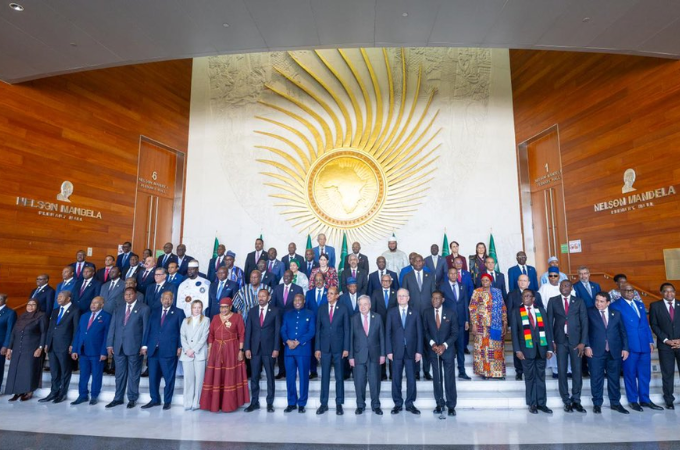
The decision was reached at the close of a two-day summit of the AU Assembly in Addis Ababa on February 16, 2026. AU Commission Chairperson Mahmoud Ali Youssouf addressed the gathering, stressing the importance of confronting historical wrongs while also extending solidarity to the Palestinian people. He stated that the continent must continue to address both past atrocities and present-day threats to human dignity.
The resolution establishes November 30 as an annual African Day of Tribute to African Martyrs and Victims of the Transatlantic Slave Trade, Colonization, and Apartheid. Member states pledged to maintain focus on the issue and work collectively to seek broader international recognition of the declaration.
Previous AU Resolutions on Historical Injustices
The AU has addressed slavery and colonialism in several earlier declarations, though implementation has often been limited:
-
2001 Durban Declaration: Described slavery and the slave trade as crimes against humanity and colonialism as a root cause of persistent racial discrimination. African states pushed strongly for reparations language.
-
2010 AU Resolution on Reparations: Called for a study on the impact of slavery and colonialism and urged member states to pursue reparative justice. The process stalled without concrete outcomes.
-
2013 AU 50th Anniversary Solemn Declaration: Included language on historical injustices and the need for reparatory justice. It remained largely aspirational.
-
2019–2021 AU Theme on Reparations: A draft Common Position on Reparations was circulated but never formally adopted or turned into actionable policy.
Informed observers – African scholars and civil-society leaders – view these resolutions as valuable for keeping historical memory alive. Each declaration gradually shifts diplomatic framing, making it more difficult for European governments to dismiss reparations as a fringe issue.
At the same time, experienced watchers note that AU resolutions have often produced strong communiqués but feeble follow – through. There is currently no enforcement mechanism, no dedicated reparations trust fund, and no coordinated legal strategy against former colonial states. Implementation depends on individual governments’ political will, which varies widely across the 55 member states – leading many to call the Union a talk shop.
Value for Ordinary Africans
For everyday citizens, the resolution’s impact is mostly indirect and long-term, with claims that it strengthens Africa’s moral position when governments negotiate debt relief or trade terms with former colonial powers.
In addition, it offers cultural and psychological affirmation – an official recognition that historical suffering was not mere “history” but a crime with lasting consequences.
The resolution is highly unlikely to trigger immediate or mid term reparations payments. Yet, it keeps the discourse and demand alive in international fora and provides future generations with a compass regarding the unfinished business of historical justice.
