
Trump Declares US Military Victory Over Iran, Seeks $200 Billion Funding as CNN Reveals Persistent Underground Missile Threat
U.S President Donald Trump has asserted that the United States has achieved a decisive military victory over Iran, stating that the country’s navy, air force, air defence systems, radar networks, and much of its senior leadership have been effectively neutralised after three weeks of sustained air and missile operations.
In a short exchange with reporters widely shared online, Trump responded to a question confirming his claim of having “militarily won” the war by saying: “Oh, I think we won… From a military standpoint, they are finished.” When asked how much longer the conflict would continue, he walked away without answering, leaving uncertainty over the administration’s timeline and exit strategy.
Trump has consistently described Iran’s conventional forces as “gone,” pointing to the destruction of naval assets, air squadrons, anti-aircraft batteries, and command infrastructure. In Truth Social posts and public statements, he has indicated the U.S. is “getting very close” to its objectives and is “considering winding down” operations in the Middle East. He has urged nations dependent on Persian Gulf oil – including China, Japan, India, and European countries – to assume primary responsibility for securing the Strait of Hormuz, criticising NATO allies for inadequate support in protecting shipping lanes and calling them “cowards.”
Despite these declarations, the conflict shows no immediate signs of resolution. Iran continues launching missile and drone attacks, including a recent attempt on the U.S.-U.K. base at Diego Garcia in the Indian Ocean (one missile failed mid-flight, another was intercepted).
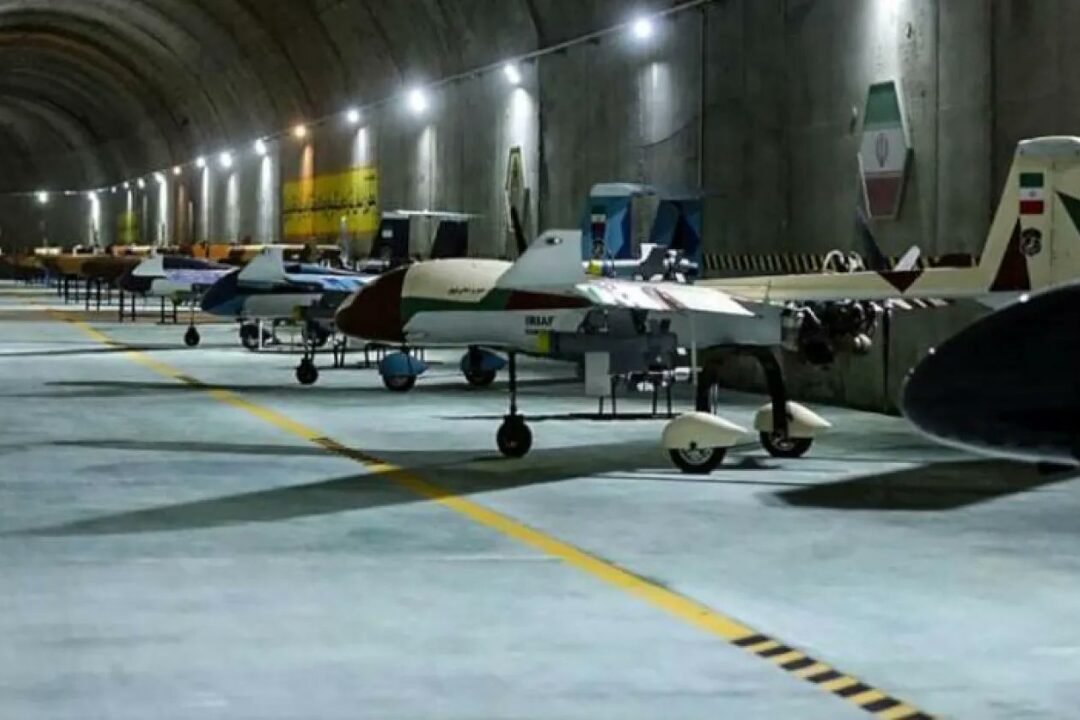
Meanwhile, a CNN investigation published March 20, 2026, examined Iran’s network of underground “missile cities” buried deep in mountains, designed to shield ballistic missiles and launchers from aerial strikes. Satellite imagery analysis revealed that while entrances to many facilities have been bombed in attempts to seal them off, Iran has undertaken reconstruction and dispersal efforts to preserve operational capability. The report highlighted the cat-and-mouse nature of targeting these hardened sites, underscoring the challenge of fully degrading Iran’s missile arsenal despite intensive bombardment.
The Strait of Hormuz remains heavily disrupted, with commercial tanker traffic drastically reduced, insurance costs soaring, and global oil prices elevated. In the United States, retail gasoline prices have risen sharply, adding to inflationary pressures.
On March 19, Defence Secretary Pete Hegseth confirmed the Pentagon’s informal request for up to $200 billion in additional wartime funding from Congress. At current estimated rates exceeding $1 billion per day, the amount could sustain operations for 100-200 days.
Bipartisan resistance is strong, with lawmakers citing prior large appropriations, uncertainty about the war’s scope, and competing domestic needs. Hegseth has avoided fixed timelines for conclusion, while Trump has rejected ceasefire proposals, stating: “You don’t do a ceasefire when you’re literally obliterating the other side.”
Military operations include continued U.S. and Israeli strikes on Iranian infrastructure, such as facilities on Kharg Island, aimed at reducing threats to Gulf shipping, with U.S. Marine and naval assets repositioned in the region, though Trump has publicly ruled out large-scale ground troop deployments inside Iran in spite of rumours of preparations for deployment although public opinion polls, including Reuters/Ipsos, show majority opposition to sending American ground forces.
The $200 billion request has not yet been formally submitted, and officials indicate it may be adjusted based on battlefield and political developments.
