
Escalation in Israel-Iran Conflict: School Closures, Submarine Deployment, and Nuclear Warnings
Tensions between the United States, Israel, and Iran have escalated sharply over the weekend as President Donald Trump issued a public ultimatum threatening to “obliterate” Iranian power plants within 48 hours unless Tehran reopens the Strait of Hormuz to commercial shipping.
In a statement circulated widely on the internet, Trump declared that continued closure of the critical waterway – through which roughly one-fifth of global seaborne oil passes – would trigger immediate U.S. strikes on Iran’s energy infrastructure. The warning follows Iran’s ongoing disruption of tanker traffic in retaliation for recent U.S.-Israeli military actions targeting Iranian sites.
Iran’s foreign ministry responded swiftly, stating that any U.S. attack on its power plants would prompt retaliatory strikes on energy infrastructure and desalination facilities across the region. Officials in Tehran described the potential targets as “legitimate military responses” to what they called American aggression.
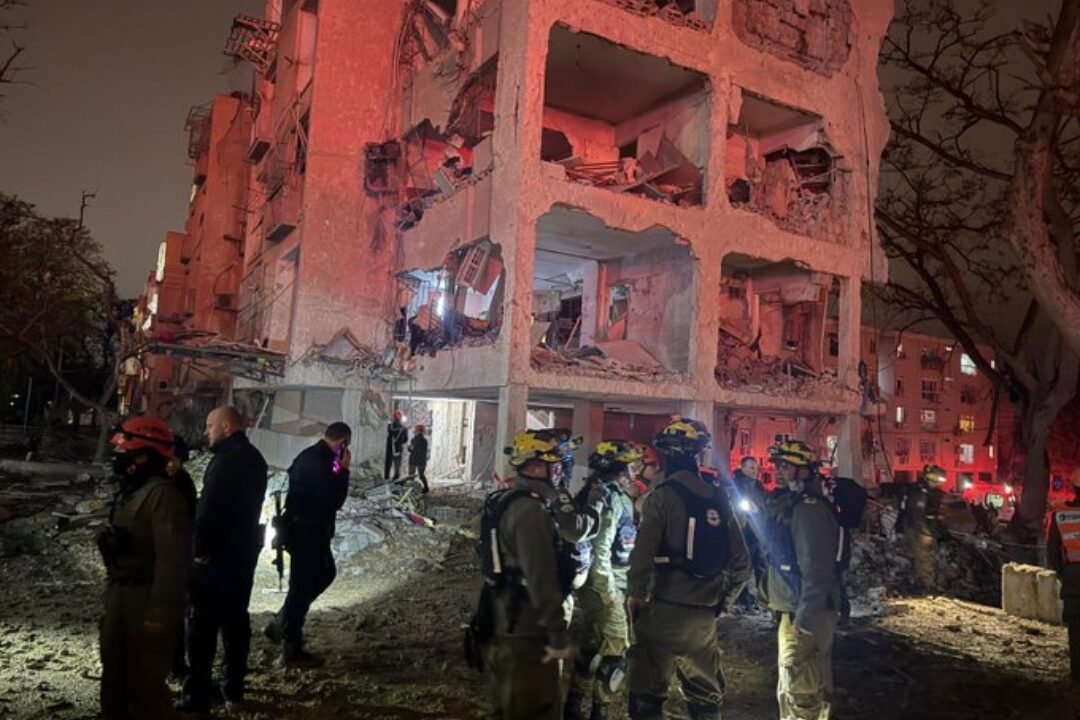
The exchange comes amid fresh developments in the broader conflict – Israel announced the nationwide cancellation of in-person classes for Sunday and Monday, March 23 – 24, following Iranian missile strikes on Arad that wounded 84 people, including children.
Magen David Adom reported 10 serious injuries in Arad alone, with additional casualties in nearby Dimona. The measure, which includes bans on public gatherings and workplace closures in affected areas, is intended to protect civilian populations from potential further retaliation.
Meanwhile, the United Kingdom has deployed a nuclear-powered submarine to the Arabian Sea, a move defence sources describe as a show of capability to strike Iranian targets if the conflict widens. The vessel’s arrival aligns with heightened naval presence in the region by U.S. and allied forces.
Civilian disruptions in Israel – including the school closures – echo protocols used during earlier crises, including the October 2023 Hamas attacks, but now involve broader remote-learning arrangements reminiscent of the COVID-19 period.
Global energy markets remain under severe pressure, with oil prices elevated due to the Strait of Hormuz blockade and fears of wider supply disruptions, while shipping insurers have raised premiums dramatically, and several major tanker operators have rerouted vessels or suspended Gulf transits.
Neither the White House nor the Pentagon has provided additional detail on Trump’s 48-hour deadline as of March 22 and U.S. defence officials have reiterated that protecting freedom of navigation remains a core priority, while Iranian spokespeople have accused Washington of “economic terrorism” through its support for Israel.
