




































































































































































































![Hon. Festus Keyamo SAN arrives MMIA past 11:50 p.m. Feb 23 to lead oversight of Terminal 1 fire. Joined FAAN MD & team actively managing situation. Directed morning inspection Tuesday to guide restoration & confirm safety standards. Reaffirmed focus on passenger safety. Story: [link] #KeyamoMMIA #FireIncident #FAAN](https://fullcliphq.com/wp-content/uploads/2026/02/mym-150x150.jpg "MMIA Fire: Keyamo Inspects Lagos Airport After Terminal 1 Blaze Disrupts Flights")



































































































































































































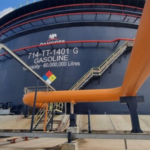























































































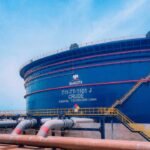
Nigerian airlines are under severe operational strain as the price of aviation fuel (Jet A1) has roughly doubled in recent weeks, climbing from between N900 and N995 per litre to N2,500 – N2,700 depending on delivery location, industry sources have confirmed.
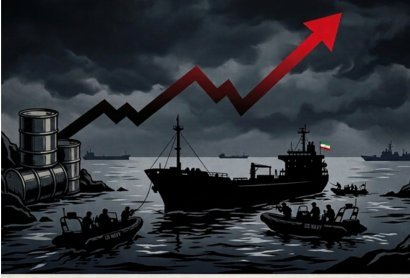
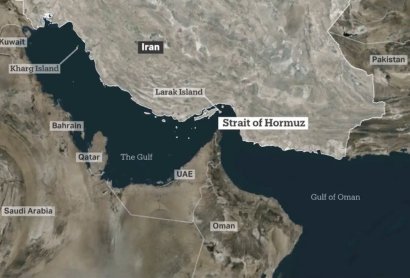
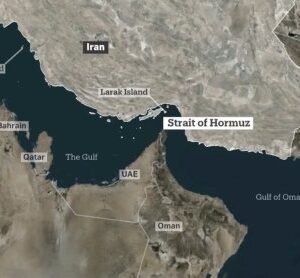
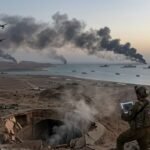
The sharp increase is directly linked to the ongoing conflict in the Middle East, which has disrupted crude oil production and global supply chains, pushing international jet fuel benchmarks higher and forcing domestic carriers to absorb unprecedented cost pressures.
Aviation fuel now accounts for 30 – 35 per cent of total operating expenses for most Nigerian airlines – and in some cases closer to 45 per cent – making it the single largest cost component. Operators say the volatility began escalating around February 28, 2026, when hostilities intensified, with prices changing multiple times since then and complicating forward planning and fare structures.
Chibuike Uloka, spokesperson for United Nigeria Airlines, urged the Federal Competition and Consumer Protection Commission (FCCPC) to engage operators on the sustainability of current ticket pricing. According to Punch, he pointed out that many carriers have held fares around N195,000 despite fuel costs exceeding N2,000 per litre, raising questions about long-term viability. “These are hard times,” Uloka said. “If fuel reaches N3,000 per litre, not all operators will survive.”
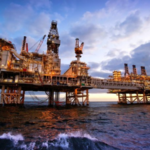
The crisis is compounded by Nigeria’s inability to supply sufficient crude to the Dangote Petroleum Refinery, forcing continued imports and exposing the market to global price swings. Crude oil has risen from $65 – $69 per barrel to around $112, further inflating refined product costs.
Airline operators have dismissed recent FCCPC accusations of price fixing, insisting current fares reflect efforts to remain competitive amid unsustainable input costs. If fuel prices continue climbing, carriers warn of reduced flight schedules, capacity cuts, and ultimately higher fares for passengers.