
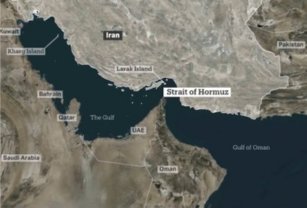
Oil Prices Surge as Trump Rejects Iranian Peace Counterproposal
Oil prices climbed sharply on Monday after President Donald Trump dismissed Iran’s response to a US peace proposal as “totally unacceptable,” dashing hopes of an early resolution to the conflict that has kept the Strait of Hormuz largely closed for weeks.
The narrow waterway, which normally carries about one-fifth of the world’s oil and liquefied natural gas shipments, has been a central pressure point in the 10-week-old war.
Trump’s swift rejection, posted on his Truth Social platform, came hours after Iran released its counterproposal, which called for the lifting of the US naval blockade, compensation for war damages and an end to sanctions on Iranian oil sales.
The development sent Brent crude futures up more than $3 a barrel in early trading, reflecting market fears that the stalemate will continue to restrict supply from the Gulf. West Texas Intermediate also gained ground, with both benchmarks remaining well above the $100 level that has become common since the conflict intensified. The US had proposed ending hostilities as a first step before tackling more difficult issues such as Iran’s nuclear programme.
Iran, however, insisted on a broader resolution that included ending the blockade and addressing other grievances before engaging in nuclear talks. Trump offered no further details on why he found the response unacceptable. Observers say the continued uncertainty over the strait’s status is keeping a significant risk premium in oil prices.
The disruption has already stranded vessels, delayed shipments and contributed to higher energy costs worldwide, affecting everything from airline fuel to manufacturing inputs. The economic ripple effects are being felt far beyond the region. Surveys show the war remains unpopular with American voters facing sharply higher gasoline prices, with congressional elections less than six months away.
Internationally, NATO allies have declined calls to send ships to reopen the strait without a full peace agreement and an internationally mandated mission. Trump is scheduled to visit Beijing later this week, where discussions with Chinese President Xi Jinping are expected to include the Iran situation.
The US has been pressing China to use its influence with Tehran to help broker a deal. Israeli Prime Minister Benjamin Netanyahu has said the war is not over, citing the need to remove enriched uranium from Iran, dismantle enrichment sites and address Iran’s proxies and ballistic missile capabilities. He indicated diplomacy would be the preferred route but did not rule out the use of force.
Iranian President Masoud Pezeshkian responded on social media that Iran would “never bow down to the enemy” and would “defend national interests with strength.” Recent days have seen renewed flare-ups in and around the strait, with the UAE reporting the interception of two drones from Iran and Qatar condemning a drone attack on a cargo ship in its waters. Kuwait also said its air defences had dealt with hostile drones entering its airspace.
The proposed UN Security Council resolution backed by the US and Gulf states remains a key diplomatic track, though its prospects are uncertain given potential vetoes from China and Russia. The resolution would demand that Iran cease attacks, remove mines and cooperate on establishing a humanitarian corridor.
Observers say the continued impasse leaves the global energy market vulnerable and complicates efforts to stabilise the broader Middle East. The situation also tests the effectiveness of multilateral institutions in addressing hybrid threats to critical maritime infrastructure.
