
Nigeria Activates Emergency Repatriation as Anti-Foreigner Protests Escalate in South Africa
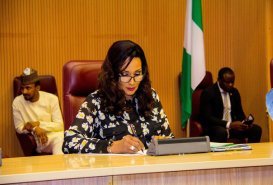
Nigeria’s Minister of Foreign Affairs, Bianca Odumegwu-Ojukwu, has issued a detailed situation report expressing grave concern over the recent wave of anti-foreigner protests in South Africa, which have targeted Nigerians and other African nationals in several cities.
President Bola Tinubu has directed close monitoring of the situation, prioritising the safety of Nigerian citizens while diplomatic efforts continue to de-escalate tensions. In the report released on Sunday via X, the minister highlighted heightened anxiety among Nigerians living in South Africa following a series of protests that have been marked by xenophobic rhetoric, hate speech and, in some cases, violence.
Although the demonstrations held in Pretoria and Johannesburg between April 27 and 29 were largely peaceful under heavy police presence, disturbing images and videos circulating on social media have triggered widespread international condemnation.
Two Nigerian nationals lost their lives in separate incidents involving South African security forces in April. Amamiro Chidiebere Emmanuel died on April 25 from injuries sustained after an alleged brutal beating by members of the South African National Defence Force on April 20 in Port Elizabeth.
Similarly, Nnaemeka Matthew Andrew died after an alleged interaction with Tshwane Metro Police, with his body discovered at Pretoria Central Mortuary around April 20. The Nigerian High Commission is closely following investigations into both deaths and has demanded full justice.
South African leaders, including President Cyril Ramaphosa, Home Affairs Minister Leon Schreiber and Acting Police Minister Firoz Cachalia, have publicly condemned extra-judicial killings, property destruction and xenophobic sentiments. In his Freedom Day address on April 27, Ramaphosa emphasised the principle of ubuntu and urged citizens not to allow legitimate concerns over illegal immigration to turn into prejudice against fellow Africans.
As further protests are planned for May 4 to 8, President Tinubu has directed relevant agencies to monitor developments closely. The Ministry of Foreign Affairs has summoned South Africa’s Acting High Commissioner to Nigeria for discussions on the protests, the safety of Nigerians and the broader impact on bilateral relations.
The Nigerian High Commission and Consulate in South Africa remain in constant contact with local authorities to minimise risks to citizens. In response to the growing safety concerns, arrangements are underway for voluntary repatriation flights for Nigerians who wish to return home.
As of May 4, 130 individuals have already registered with the Nigerian mission in South Africa with the number is expected to rise as Nigerian associations in the country are assisting with the process.
Odumegwu-Ojukwu also recalled Nigeria’s historical role in South Africa’s liberation from apartheid, noting that the country made significant sacrifices to support the anti-apartheid struggle. She stressed that this shared history should not be forgotten, especially by younger generations, and warned that Nigerian lives and businesses in South Africa must not continue to be put at risk.
The minister also observed that such xenophobic outbursts often intensify ahead of elections in South Africa, with opposition parties exploiting anti-foreigner sentiments for political gain. Nigeria recently signed a Memorandum of Understanding with South Africa on early warning mechanisms to protect citizens of both countries during times of tension.
The situation remains fluid, with Nigerians in South Africa advised to remain vigilant, avoid confrontation, and report any incidents to the mission. While the protests have not yet resulted in widespread destruction of Nigerian-owned properties during the latest wave, the overall atmosphere has created fear and uncertainty within the community.
