
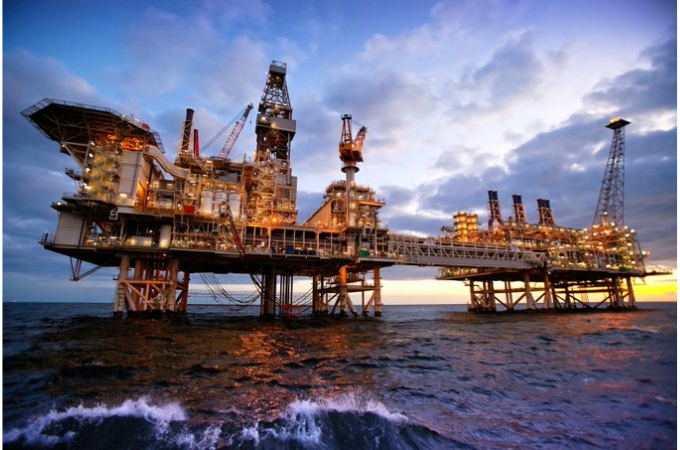
Middle East Tensions Keep Oil Above Nigeria’s Budget Benchmark, Offering Temporary Fiscal Relief
Key Market Drivers
- U.S. Production Losses: JPMorgan reported severe weather has cut U.S. crude output by about 250,000 barrels per day, affecting Bakken shale, Oklahoma, and Texas.
- Middle East Tensions: The arrival of a U.S. aircraft carrier strike group and Iranian warnings of “all-out war” have added a risk premium to prices, with fears of disruptions through the Strait of Hormuz, which handles 20% of global seaborne crude.
- Supply Tightness: OPEC+ production cuts and slower non-OPEC output growth continue to underpin the market.
Implications for Nigeria
Nigeria’s 2026 budget is based on an oil price benchmark of $64.85 per barrel and a production target of 2.6 million barrels per day (mbpd). Current Brent levels above this threshold provide a fiscal buffer, helping mitigate revenue shortfalls amid high debt servicing costs and naira volatility. However, analysts warn prices remain vulnerable to geopolitical shifts or a rebound in U.S. output.
Nigeria’s actual production has averaged 1.4–1.5 mbpd due to pipeline vandalism, oil theft, and underinvestment. The government is pursuing reforms under the Petroleum Industry Act (PIA) 2021 and offering incentives for deepwater projects, but structural challenges persist.
Broader Economic Context
Nigeria’s oil-dependent economy relies heavily on stable crude prices to fund budgets and service debt. Falling below the benchmark could widen deficits and strain social spending. Current price stability offers optimism but does not eliminate risks tied to domestic output and global volatility.
