
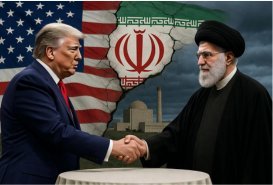
US and Iran Reach Landmark Memorandum of Understanding to End War and Reopen Strait of Hormuz
The United States and Iran have finalized a Memorandum of Understanding (MOU) that declares an immediate and permanent ceasefire across multiple fronts, effectively ending a war that began in late February 2026.
The agreement, announced on June 14, also commits both sides to reopening the Strait of Hormuz to commercial shipping without tolls during the interim period.
Iranian state media claims the US will release $12,000,000,000 in frozen assets to Iran and present $300,000,000,000 reconstruction plans for Iran.
President Donald Trump confirmed the breakthrough, posting on Truth Social: “The Deal with Islamic Republic of Iran is now complete. Congratulations to all!” He authorised the immediate removal of the U.S. naval blockade on Iranian ports and urged the resumption of oil flows through the strait. A formal signing ceremony is scheduled for Friday, June 19, in Switzerland.
- According to officials briefed on the document, the MOU includes:
- An immediate halt to all military operations, including those involving Lebanon.
- Iran clearing mines from the Strait of Hormuz, with the U.S. dismantling its naval blockade within 30 days.
- A 60-day window for technical negotiations on Iran’s nuclear programme, sanctions relief (including oil export waivers and release of frozen assets), and broader regional issues.
- Temporary suspension of new sanctions and potential economic support measures.
The pact was mediated primarily by Pakistan and Qatar, with support from other regional actors. While core commitments align, some differences remain in how each side publicly interprets the scope of the agreement.
Iranian officials describe it as an interim security and economic arrangement, while the U.S. frames it as a performance-based step toward preventing Iran from acquiring nuclear weapons.
World leaders have broadly welcomed the development. UN Secretary-General António Guterres called it “a critical step towards the peaceful settlement of the conflict.” French President Emmanuel Macron, Turkish President Recep Tayyip Erdoğan, UK Prime Minister Keir Starmer, and EU Commission President Ursula von der Leyen also issued positive statements, stressing the importance of full implementation, toll-free navigation, and preventing Iran from developing nuclear weapons.
The agreement is expected to ease global energy market pressures, with early indications of falling oil prices. However, informed observers note that key issues (particularly verifiable limits on Iran’s nuclear activities) remain unresolved and will be addressed in the coming 60 days. Israel has expressed concerns over the deal amid recent regional strikes.
