
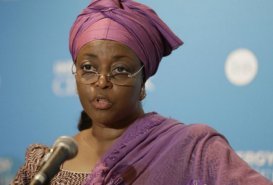
London jury clears Diezani Alison-Madueke after Decade-Long International Corruption Probe
A jury at Southwark Crown Court has acquitted former Nigerian Petroleum Minister Diezani Alison-Madueke of all six bribery charges, ending a high-profile international corruption case that spanned more than a decade.
The unanimous not-guilty verdicts were returned on Wednesday, June 17, 2026, after the jury deliberated for over 46 hours. Alison-Madueke, who served as Minister of Petroleum Resources from 2010 to 2015 under former President Goodluck Jonathan, faced five counts of accepting bribes and one count of conspiracy to commit bribery.
Two co-defendants – oil industry executive Olatimbo Ayinde and her brother Doye Agama were also acquitted on the charges against them. Ayinde faced one count of bribery relating to Alison-Madueke and another of bribing a foreign public official, while Agama was charged with conspiracy to commit bribery.
British prosecutors had alleged that Alison-Madueke received an extravagant lifestyle in London, including luxury gifts and financial support from businessmen in the oil and gas sector, in exchange for influence over lucrative Nigerian government contracts. The 65-year-old denied all the allegations throughout the trial, maintaining she received no bribes and did not possess the unilateral power to award contracts as claimed by the prosecution.
Investigators began probing Alison-Madueke’s affairs more than ten years ago, focusing on her time overseeing Nigeria’s oil industry, the country’s primary source of revenue.
Defence lawyers argued that the prosecution failed to establish any direct corrupt link between alleged benefits and official decisions. They pointed to the complex, multi-agency approval process for oil contracts in Nigeria, arguing that no single minister could single-handedly influence awards in the manner alleged.
The jury’s decision represents a clear setback for UK authorities. The trial examined detailed financial records, lifestyle evidence, and witness testimonies, but ultimately the panel was not convinced beyond reasonable doubt of the defendants’ guilt.
Alison-Madueke, who also served briefly as President of the Organisation of the Petroleum Exporting Countries (OPEC), has kept a relatively low profile in recent years while contesting the charges. She has not yet issued a public statement following the verdict.
The case has long been symbolic for many Nigerians frustrated by perceived high-level impunity in the management of the country’s oil wealth.
Legal experts note that international bribery prosecutions often face steep evidentiary challenges, particularly when proving intent across different jurisdictions and complex business dealings. While the criminal proceedings in the UK have now concluded, authorities in Britain and Nigeria may still pursue separate civil asset recovery actions if relevant.
Alison-Madueke’s tenure as Petroleum Minister coincided with a period of high oil production in Nigeria but was also marked by persistent public criticism over transparency and alleged corruption in the sector. Her acquittal closes one chapter in that controversy, though questions about governance and accountability in Nigeria’s oil industry are likely to remain.
