
Zimbabwe’s Lower House Passes Controversial Bill Extending Presidential Terms to Seven YearsHarare, Zimbabwe —
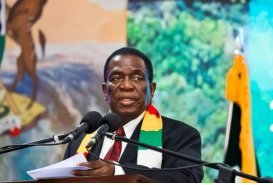
Zimbabwe’s National Assembly has overwhelmingly approved a constitutional amendment that would extend both presidential and parliamentary terms from five to seven years, paving the way for President Emmerson Mnangagwa to potentially remain in office until 2030.
Lawmakers voted 216 in favour of the Constitution of Zimbabwe Amendment (No. 3) Bill, 2026 on Thursday, June 18, comfortably exceeding the required two-thirds majority. The bill now moves to the Senate, where ZANU-PF holds strong influence, making passage highly likely before it goes to the president for assent.
The amendment includes several key changes: shifting the election of the president from a direct popular vote to a joint sitting of Parliament, allowing the president to appoint 10 additional senators based on expertise, and making other technical adjustments to electoral and institutional processes.
Justice Minister Ziyambi Ziyambi and other government officials have defended the reforms as necessary for “political stability and policy continuity.” They argue that shorter electoral cycles disrupt long-term planning, increase costs, and fuel political violence. The changes are presented as supportive of the country’s National Development Strategy 2 (2026 – 2030), which aims to achieve upper-middle-income status by 2030.
Opposition parties, civil society groups, and some legal experts have sharply criticised the bill, describing it as a power consolidation move that undermines the 2013 Constitution’s democratic safeguards and removes direct voter accountability for the presidency. Critics argue that such fundamental changes should require a national referendum.
The bill has also drawn concern from regional observers and the Zimbabwean diaspora, particularly in South Africa, where many express frustration over what they see as further entrenchment of ZANU-PF dominance amid ongoing economic difficulties and governance challenges.
Mnangagwa, who came to power through a 2017 military-backed coup against Robert Mugabe, was elected in 2018 and 2023. Under the current constitution, his second term was due to end in 2028.
The Senate is expected to consider the bill in the coming days or weeks. If passed by both houses and signed by the president, the amendments would take effect for future electoral cycles.
