
African Parliamentarians Align to Codify Tightened Anti-LGBT Legislation Across 20 Nations
Parliamentarians from around 20 African countries have pledged to introduce or strengthen laws restricting LGBT rights, following a major conference in Ghana where they endorsed a new “African Charter on Family, Sovereignty and Values.”
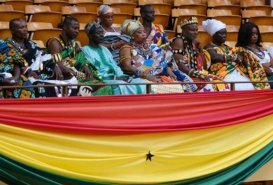
The African Inter-Parliamentary Conference on Family Values and Sovereignty, held in Accra from June 3 to 6, 2026, concluded with delegates adopting the charter and an Accra Declaration urging governments to protect traditional family structures and resist what participants described as “ideological colonisation” from Western influences.
The gathering, which included lawmakers, traditional leaders, faith representatives, and activists, took place just days after Ghana’s parliament passed one of Africa’s strictest anti-LGBT bills. The legislation criminalises same-sex acts and the “promotion” of LGBT identities, and is awaiting presidential assent.
The 32-page charter calls for the recognition of heterosexual marriage as the foundation of society, rejection of foreign aid conditioned on LGBT rights or comprehensive sexuality education, and the prioritisation of African cultural values over international treaties seen as promoting “the LGBT agenda” or abortion. It also recommends the creation of national parliamentary caucuses on family values and a dedicated continental committee to oversee implementation.
Ghana’s Speaker of Parliament, Alban Bagbin, told delegates to translate the resolutions into concrete legislation and policy. “Go home and tell your people that their representatives have resolved to protect the sanctuaries of their homes, the heritage of their ancestors, and the sovereignty of their nations,” he said.
Speakers at the conference, including representatives from Christian conservative groups, warned against what they called Western-imposed policies on gender and sexuality. South Africa and Mozambique abstained from adopting the charter, citing conflicts with their national constitutions.
More than half of Africa’s 54 countries already criminalise same-sex acts. Recent years have seen a tightening of laws in several nations. Uganda maintains some of the world’s harshest penalties, including the death sentence for “aggravated homosexuality,” while Senegal and others have recently increased punishments for “promotion.” Ghana’s bill reflects this wider trend.
Proponents frame it as a defence of deeply held religious and cultural beliefs against external pressure. Critics, including human rights organisations such as IPPF Africa, argue the charter risks increasing discrimination, marginalising LGBT people, and undermining public health efforts, particularly HIV prevention.
Participants and observers noted growing influence from conservative networks in the United States and Europe. Some delegates welcomed what they see as a more favourable environment under the current U.S. administration, which has shifted away from promoting LGBT rights in foreign policy.
The charter is not yet legally binding but is expected to serve as a framework for domestic legislation and potential African Union-level discussions. Organisers plan further conferences and national-level follow-ups.
