
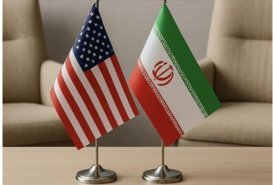
V.P Vance Arrives in Switzerland for High-Stakes US-Iran Nuclear Negotiations
US Vice President JD Vance has arrived in Switzerland for high-stakes nuclear negotiations with Iran, as fresh disputes over the Strait of Hormuz and renewed violence in southern Lebanon threaten to undermine a fragile ceasefire agreement signed earlier this week.
Talks between the US and Iranian delegations began on Sunday morning, June 21, 2026, in the Swiss resort town of Bürgenstock. The US side is led by Vance, supported by special envoy Steve Witkoff and Jared Kushner. Iran’s team includes parliamentary speaker Mohammad Bagher Qalibaf and Foreign Minister Abbas Araghchi, with Pakistani Prime Minister Shehbaz Sharif and army chief Asim Munir acting as mediators.
The negotiations aim to finalise technical details of a broader agreement within a 60-day window following the memorandum of understanding signed by President Donald Trump and Iranian officials. The interim deal includes a ceasefire, sanctions relief for Iran, and commitments on its nuclear programme.
A major point of contention is the status of the Strait of Hormuz, a critical waterway through which about one-fifth of global oil supplies pass. Iran’s military command announced the strait had been closed in response to alleged violations of the ceasefire by the US and Israel. However, US Central Command stated that traffic continues to flow and that Iran does not control the waterway.
President Trump responded by threatening to impose “Guardian Angel” tolls on shipping through the strait if no final deal is reached within 60 days.
The talks are further complicated by renewed fighting in southern Lebanon. Despite a ceasefire between Israel and Hezbollah that took effect on Saturday, both sides have reported violations. Israel says Hezbollah fired over 50 projectiles at its forces, while Hezbollah claims it targeted Israeli troops advancing near Nabatieh. Israeli strikes killed dozens in Lebanon, according to local authorities.
Neither Israel nor Hezbollah is a direct party to the US-Iran agreement, but Iran has demanded a full ceasefire in Lebanon as a condition for progress. Israeli Prime Minister Benjamin Netanyahu has stated his forces will remain in southern Lebanon until threats are eliminated.
Meanwhile, markets have reacted nervously to uncertainty over the strait, with oil prices fluctuating.
