
France Restricts Festival Alcohol Sales as Extreme Heatwave Grips Europe
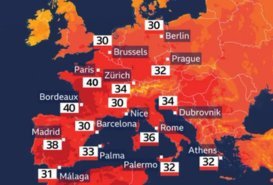
As a fierce heatwave blankets much of Europe with temperatures soaring into the low 40s Celsius, daily routines across the continent are being dramatically reshaped, from cancelled public events to urgent health warnings and new ways of coping with the extreme conditions.
In France, where 35 departments are under red alert and temperatures are forecast to hit 39 – 41°C today (Sunday), Prime Minister Sébastien Lecornu has taken the unusual step of banning alcohol consumption at outdoor public gatherings, including the popular Fête de la Musique festivals. Parks in Paris will remain open around the clock to give residents access to shaded green spaces and cooler evening air as the city swelters.
The intense heat is testing how Europeans live, work, and enjoy the summer season. In Germany, near-nationwide heat alerts have been issued as temperatures approach 38°C, prompting many to limit outdoor activity during the hottest hours and check on elderly neighbours and pets.
In Italy, the heat has turned sightseeing into an endurance test, with visitors in Rome seeking relief in shaded historic spots and locals embracing extended afternoon rests. Spain has closed its official World Cup fan zone in Madrid due to the dangerous conditions, forcing fans to find alternative, preferably air-conditioned, places to watch matches.
Health authorities are urging people to make practical adjustments to their daily lives: staying well hydrated, avoiding strenuous activity in the middle of the day, wearing light and loose clothing, and taking frequent cool showers. Many are shifting their schedules earlier in the morning or later in the evening to avoid peak heat, while families are paying closer attention to vulnerable members.
Scientists link the increasing frequency and intensity of these heatwaves to climate change, warning that such extremes are becoming the new normal for European summers. As temperatures continue to climb, this latest wave is forcing a broader rethink of traditional summer habits and highlighting the need for long-term adaptation in how cities and communities function during hotter seasons.
