
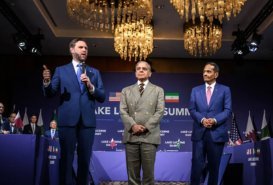
Marathon Swiss Summit Establishes 60-Day Roadmap for Lasting Middle East Peace
The United States and Iran have achieved what mediators described as “encouraging progress” in their first face-to-face negotiations aimed at ending months of direct and proxy conflict, though deep-seated suspicions continue to shadow the fragile diplomatic opening.
After marathon sessions that stretched into the early hours of Monday at a luxury resort in the Swiss mountains, the two sides agreed on a roadmap intended to deliver a lasting peace deal within 60 days. Pakistan and Qatar, who facilitated the talks, said both delegations also established a mechanism to stabilise the situation in Lebanon and set up a direct communications line to safeguard commercial shipping through the Strait of Hormuz.
Pakistani Prime Minister Shehbaz Sharif called the atmosphere “positive and constructive.” US Vice President JD Vance, leading the American team, said President Donald Trump had instructed negotiators to “turn over a new leaf” in relations with the Iranian people. Technical-level discussions will now continue through the week.
The talks follow a shaky interim ceasefire and come after a dangerous spike in tensions last weekend, when Iran briefly re-blockaded the Strait of Hormuz and President Trump issued fresh warnings. Oil markets reacted positively to the news, with Brent crude falling below $80 a barrel as fears of prolonged disruption eased.
Iranian Foreign Minister Abbas Araqchi said Tehran had obtained important concessions, including waivers for oil exports, the release of some frozen assets, and commitments to a reconstruction plan. However, Iranian media reported tense moments during the negotiations, including a brief refusal by the Iranian team to return to the table after Trump’s latest public threats.
Violence between Israel and Hezbollah in Lebanon has noticeably quietened since Saturday evening, with Israel lifting safety restrictions near the border and Lebanese President Joseph Aoun engaging directly with mediators. Israeli President Isaac Herzog emphasised that any final agreement must prevent Iran from funnelling new resources into military programmes or support for regional proxies.
This first round is the most significant diplomatic engagement between Washington and Tehran in years. While both sides remain far apart on core issues (particularly Iran’s nuclear programme and its regional influence), the willingness to sit down for extended talks represents a tentative shift after a period of open hostilities that began with US-Israeli strikes on Iran in late February.
