
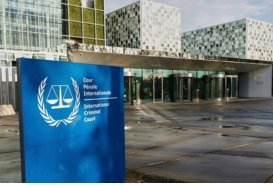
Niger Formally Withdraws from International Criminal Court
Niger has officially notified the United Nations of its decision to withdraw from the Rome Statute of the International Criminal Court, becoming the third country to exit the global justice body after Burundi and the Philippines.
The formal notification, deposited on June 18, 2026, and acknowledged by UN Secretary-General António Guterres, states that Niger believes the court (once seen as a beacon of hope for peace and justice) has been “misused and exploited.” Under Article 127 of the Rome Statute, the withdrawal will take full effect one year later, on June 18, 2027. Until then, Niger remains legally bound by its obligations, including cooperation on ongoing matters.
The withdrawal fulfils a joint declaration made in September 2025 by the military-led governments of Niger, Mali, and Burkina Faso. The three nations, which now form the Alliance of Sahel States (AES), have sharply criticised the ICC as a tool of “neo-colonial repression” and selective justice that undermines African sovereignty. They have increasingly distanced themselves from traditional Western partners and turned toward closer security and political ties with Russia and other non-Western actors.
Niger’s military leader, General Abdourahamane Tiani, has overseen this strategic realignment since the 2023 coup that removed the elected civilian government. The country, like its Sahel neighbours, continues to battle resilient jihadist insurgencies linked to al-Qaeda and Islamic State affiliates, which have caused thousands of deaths and displaced millions.
The International Criminal Court expressed regret over the decision while reaffirming that withdrawal is a sovereign right of states. “We regret any decision to depart from the collective effort to end impunity for the most serious international crimes,” the court stated. It stressed that Niger must continue to meet its obligations under the Statute until the withdrawal takes effect.
Human rights organisations have voiced concern that the exit, alongside those of Mali and Burkina Faso, could weaken accountability in a region where serious violations by both armed groups and state forces have been documented. The ICC maintains jurisdiction over crimes committed before the withdrawal date and has an ongoing investigation in Mali since 2013.
Niger’s departure reflects broader discontent among some African nations with the ICC’s perceived focus on the continent, even as major powers like the United States, China, and Russia remain outside the court. It also shows the accelerating geopolitical shift in the Sahel away from Western institutions toward more assertive assertions of sovereignty.
