
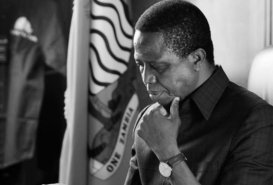
Zambia Drops Legal Fight, Allowing Former President Edgar Lungu’s Family to Bury Him Privately in South Africa
The Zambian government has formally accepted the Supreme Court of Appeal of South Africa’s judgment on the burial of former President Edgar Chagwa Lungu, confirming it will not pursue any further appeal and leaving the matter as a private family decision.
In an official press statement issued yesterday, Attorney General Mulilo D. Kabesha stated that although the government disagrees with the ruling, it has chosen not to take the case to South Africa’s Constitutional Court. The statement emphasised that the burial arrangements are now entirely a private matter for the Lungu family, who may proceed with their desired private ceremony in South Africa.
The government noted that it had acted in what it believed was the national interest, citing the long-standing tradition of burying former presidents at Embassy Park in Lusaka. It highlighted that all previous Zambian presidents, from Levy Mwanawasa to Rupiah Banda, were laid to rest there with full national honours.
However, the statement acknowledged the court’s decision and extended condolences to the Lungu family while paying tribute to the late president’s service to the nation from 2015 to 2021.
Lungu died in Pretoria, South Africa, on June 5, 2025, at the age of 68 while undergoing treatment for a rare oesophageal condition. His death triggered an immediate and deeply emotional dispute. The family, led by his widow Esther Lungu, maintained that he had expressed a clear wish to be buried in South Africa and did not want the current administration involved in his funeral arrangements. The Zambian government, on the other hand, insisted on repatriation for a state funeral, citing national tradition and precedent.
The legal battle played out publicly in South African courts, drawing widespread attention across the region. After an initial ruling in favour of the Zambian government, the Lungu family appealed successfully. The Supreme Court of Appeal ultimately ruled that the state had no overriding legal right to dictate the burial arrangements against the family’s wishes, emphasising constitutional protections around dignity, privacy, and family autonomy.
In its statement, the government paid tribute to Lungu’s service to the nation between 2015 and 2021 and extended sincere condolences to his family. It also reflected on Zambia’s consistent practice of supporting the dignified return of its citizens who die abroad, while acknowledging the unique sensitivities of this particular case.
The lengthy dispute had kept Lungu’s remains in a Pretoria mortuary for over a year, becoming a symbol of the deep political divisions that continue to shape Zambian public life long after leaders leave office.
With the legal path now clear, the Lungu family is expected to announce details of a private burial ceremony in South Africa in the coming days.
